
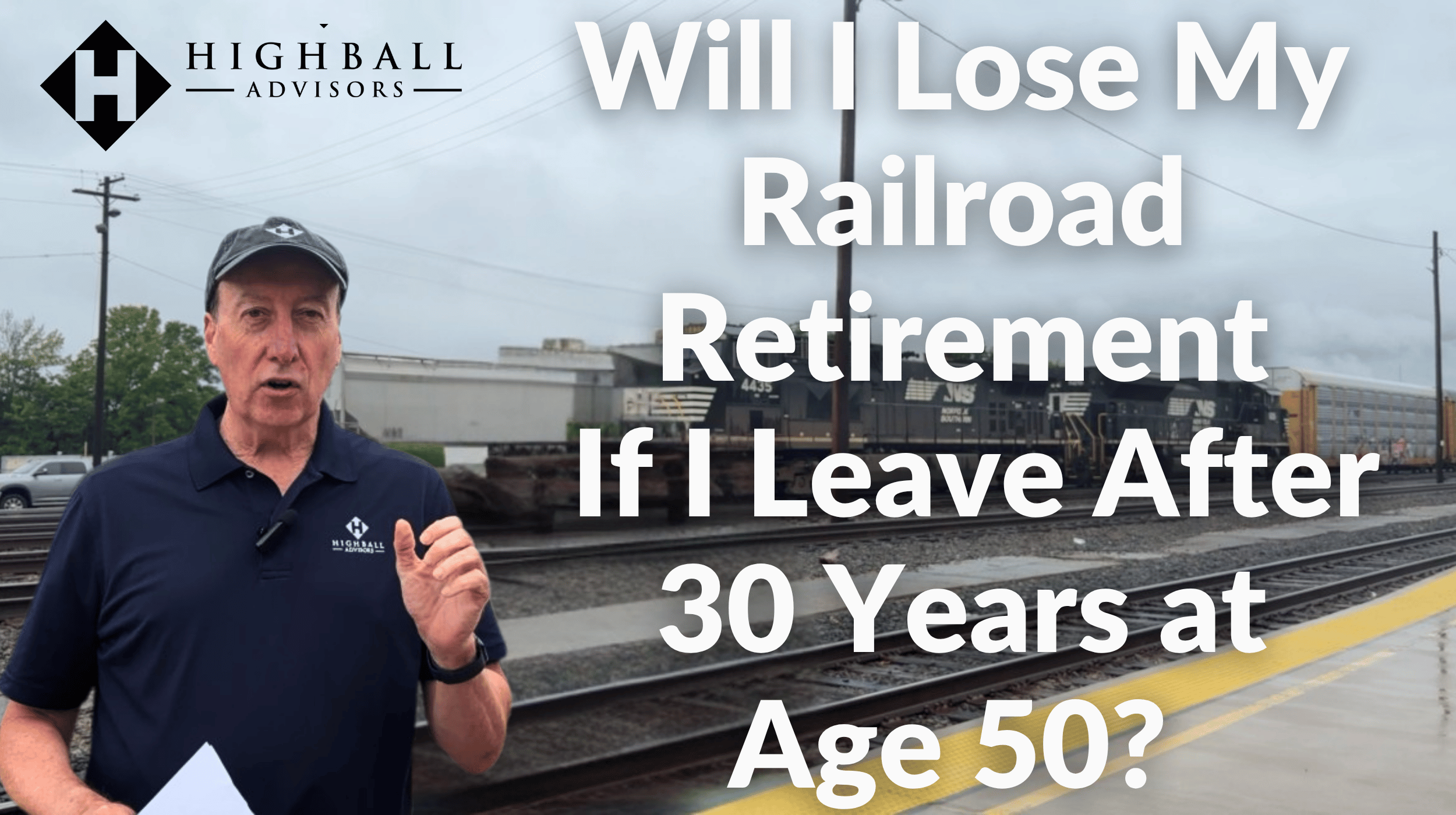
Will I Lose My Railroad Retirement If I Leave After 30 Years at Age 50?
Video Survivor Benefits Retirement Financial PlanningCan You Work a W-2 Job After 30 Years in Railroad Service and Still Collect Retirement at 60?
Many railroad employees who reach 30 years of service early in life start thinking about second careers before officially collecting retirement benefits. One common question is whether taking a traditional W-2 job after leaving railroad service could affect retirement eligibility.
Here’s what railroad workers need to know.
You Still Keep Your Railroad Retirement Eligibility
If you have at least 30 years of railroad service and meet the requirement of having five years of service after 1995, you will still qualify for your railroad retirement age-and-service annuity at age 60.
This is an important point because many employees mistakenly believe that leaving the railroad industry early or taking another job automatically causes them to lose their retirement benefits. In most cases, that is not true.
Your years of railroad service remain credited to you.
The Bigger Issue: Survivor Annuity Benefits
While taking a W-2 job may not affect your own retirement eligibility, it can impact your railroad survivor annuity.
For employees with 30 years of service, the survivor annuity can be extremely valuable for a spouse or eligible family member. Accepting certain types of post-railroad employment could result in losing or reducing those survivor benefits.
That’s why it’s important to carefully evaluate whether a new job opportunity is worth the potential tradeoff.
Self-Employment May Offer More Flexibility
Some railroad retirees explore self-employment opportunities instead of taking a traditional W-2 position. In certain situations, working through an LLC or operating as an independent business owner may help preserve survivor annuity protections.
However, these arrangements should always be reviewed and verified with the Railroad Retirement Board (RRB) to ensure compliance with current rules.
Why Planning Ahead Is Important
Leaving railroad service at age 50 with 30 years completed is a strong position to be in financially. But decisions made during the years leading up to retirement can have long-term consequences for both personal benefits and family protection.
Before accepting outside employment, railroad employees should consider:
- How the job affects survivor benefits
- Whether self-employment is a better option
- The long-term financial impact on a spouse or dependents
- Guidance from the Railroad Retirement Board or a qualified advisor
Final Thoughts
Having 30 years of railroad service by age 50 creates valuable retirement opportunities, but it also comes with important planning considerations. While you can still receive your railroad retirement annuity at age 60, certain post-retirement employment choices may affect survivor benefits.
Understanding those rules ahead of time can help you make informed decisions that protect both your retirement income and your family’s financial future.
Get Free Railroad Retirement Assessment
Disclaimer: This article is provided for general information and illustration purposes only. Nothing contained in the material constitutes tax advice, a recommendation for purchase or sale of any security, or investment advisory services. Highball Advisors encourages you to consult a financial planner, accountant, and/or legal counsel for advice specific to your situation. Reproduction of this material is prohibited without written permission from Highball Advisors, and all rights are reserved from Highball Advisors, and all rights are reserved.